


"When you leave the hospital at 4 a.m. while the city slowly wakes up, your body is in alarm mode. For me, the problem was never the job itself, it was the inability to truly come down afterwards without knocking myself out completely."
Ben is 36, a nurse at a large city hospital, and has been working the full rotation for over ten years: early, late, night. His daily life is a constant race against the clock. Anyone who meets Ben can tell: this guy can take a lot and does not rattle easily. But Ben's story is about the fact that even the most resilient body is not a biological toggle switch you can flip at will.
The "coffee-melatonin spiral"
"On shift work, you develop survival strategies that aren't really strategies at all," Ben says with a dry smile. "Lots of black coffee to get through the night shift, and after work some kind of aid to be able to sleep in daylight." For years, Ben felt "wired but tired." Charged up inside, but physically completely spent.
Winding down after the night shift was the biggest challenge. "My nervous system was like the highway at rush hour. Everything lit up even though it should have been curfew. I lay in bed, my legs fidgeting, my head racing, but my eyes just wouldn't close. All you want is to drift off, but the system keeps firing away."
The 400 mg magnesium disaster
Ben knew that magnesium can help with stress and restless legs. But he made the mistake many people make: "I figured: more is more, and ordered one of those cheap one-year supplies of 400 mg magnesium oxide online. Well, that backfired immediately. First thing I got was serious diarrhea. My body just rushed the stuff straight through. Recovery? Zero. Instead I was on the toilet more often than in bed. That was pretty much the opposite of 'relaxed.'"
Fifty Five Insight: Ben made the classic "oxide mistake." Magnesium oxide is poorly soluble and has an osmotic effect in the gut, which can often lead to the effect Ben describes. Hardly anything is left over for the nervous system. What Ben needed was an organic compound that arrives where the stress sits.
Systemic calm instead of "lights out"
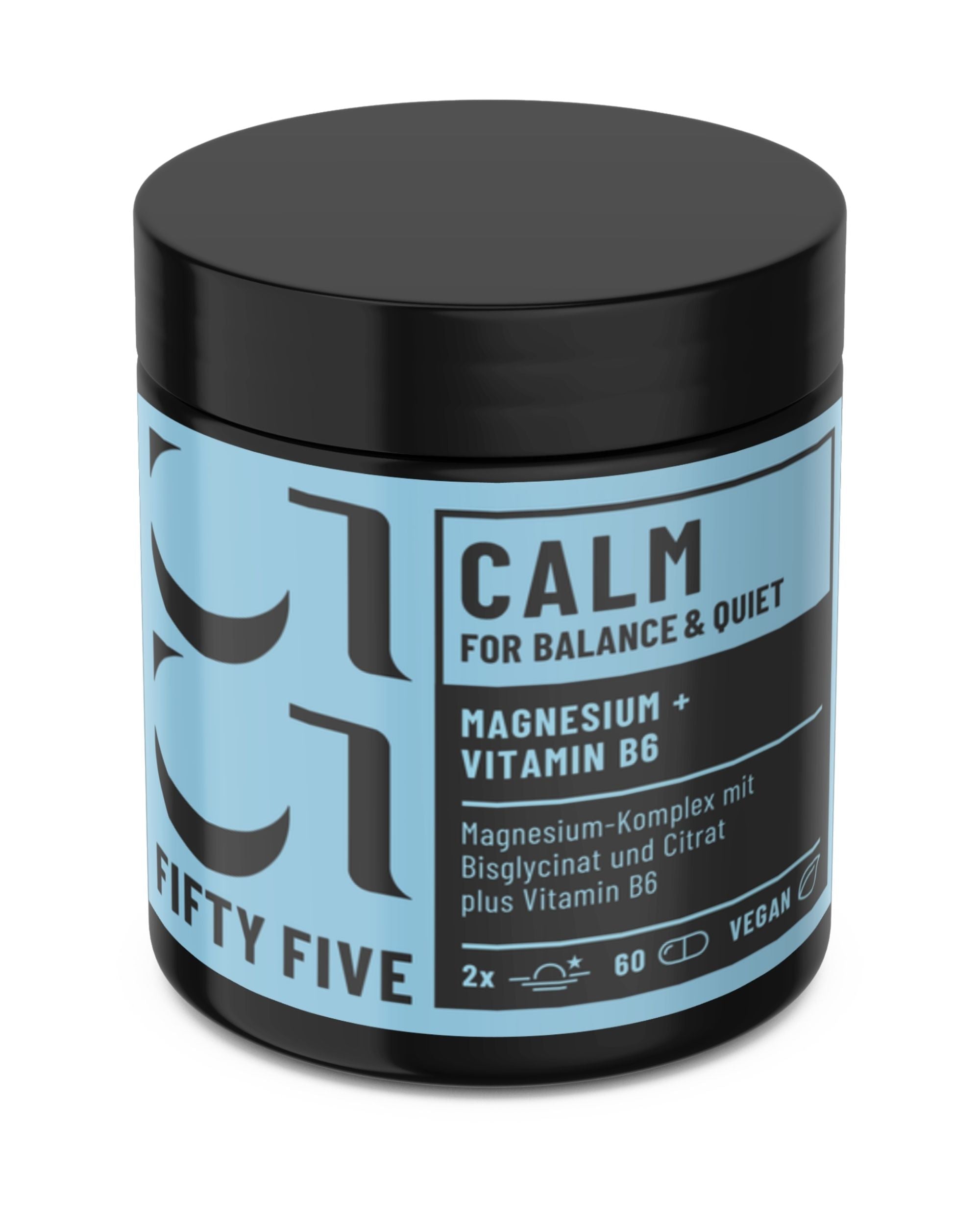
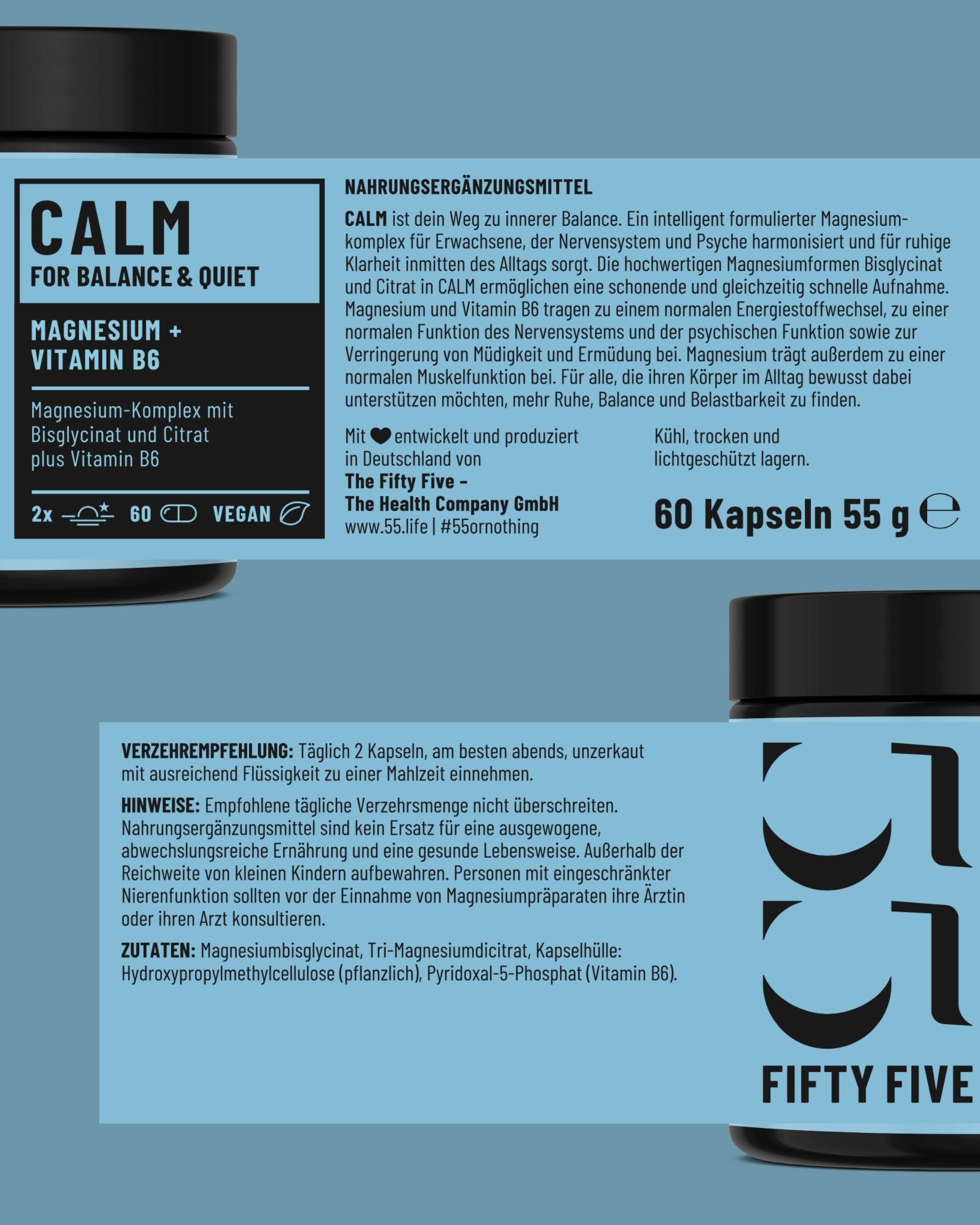
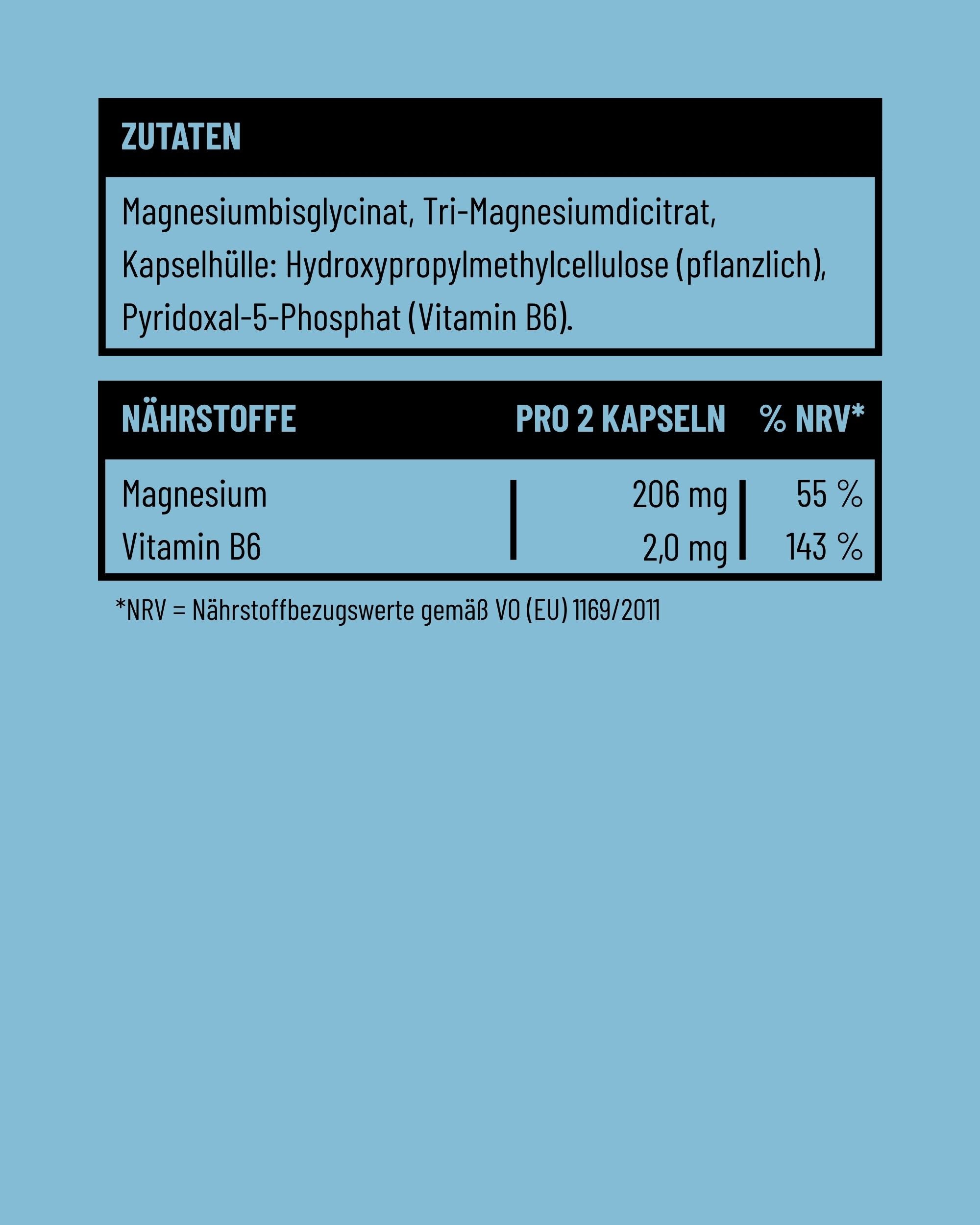
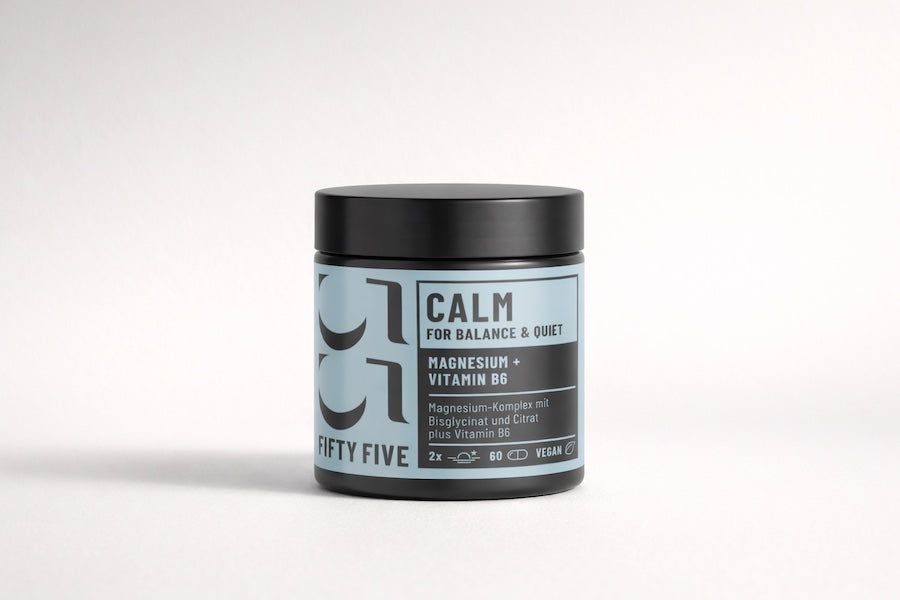
Ben ended up at Fifty Five because he was done with experiments that also kept his gut busy. He understood that shift work burns through micronutrients like a race car burns fuel, and that the form of the supply determines the effect. He restructured his routine and replaced the cheap capsules with CALM.
"It wasn't a 'lights out' effect like a sleeping pill that leaves you feeling flattened in the morning," Ben describes the difference. "Definitely not. It felt more like someone turning down the background noise in my skull. I could switch off faster. When I go to bed after the night shift, my system now actually arrives in rest mode. The quality of sleep is something else entirely."
Phase 4: the new shift routine
Today, Ben uses the Fifty Five system modularly. He has understood that his body has different demands depending on the shift phase. He takes BASE as his daily foundation, so he does not buckle with every wave of infections in the demanding hospital routine, and uses CALM deliberately when recovery takes priority, usually right after his shift.
"I've accepted that my rhythm will never be 'normal.' But I'm no longer the guy helplessly chasing his shift schedule. I'm now the architect of my own recovery. I make sure the chemistry in the background is right so I can deliver up front on the job. If you demand this much from your body, you have to work on it with the right tools."
Why shift-work resilience needs structure
Ben's experience points to a larger problem in our modern working world: we expect our bodies to function at the push of a button while depriving them of the resources needed for that flexibility. For Ben, the important realization was that he was not "broken," but that his battery had simply run down through the constant alternation of light and darkness, tension and artificial rest.
"Many of my colleagues still take sleeping pills or have a beer or two after their shift to 'come down.' I wanted a solution that supports my body instead of numbing it," he explains. Through strategic supplementation with the right magnesium forms, he found a way to bring his body's biological signals back into order.
Ben's takeaway: recovery as an active decision
Ben's Fifty Five story is more than a report about a supplement. It is the story of a regained quality of life. "You can't leave recovery to chance on shift work. You have to plan it, just like the duty roster itself."
His advice to anyone in a similar situation: "If you have a job that demands everything from you, don't fob your body off with inferior products. For me, switching to CALM was the moment I got my nights, and my days, back."
→ To the complete multivitamin guide
→ To the complete magnesium guide
Disclaimer:
This article is for informational purposes only and does not replace medical advice, diagnosis, or treatment by a physician or pharmacist. The information provided here should not be used for self-diagnosis or self-treatment. Food supplements are no substitute for a balanced, varied diet and a healthy lifestyle. For any health questions or complaints, please always consult a doctor you trust. Fifty Five accepts no liability for any inconvenience or harm resulting from the use of the information presented here.







Omega-3 for Women: What DHA and EPA Do in Every Life Stage
Magnesium for Stress and Sleep: How Nutrients Support Your Nervous System
Share: